

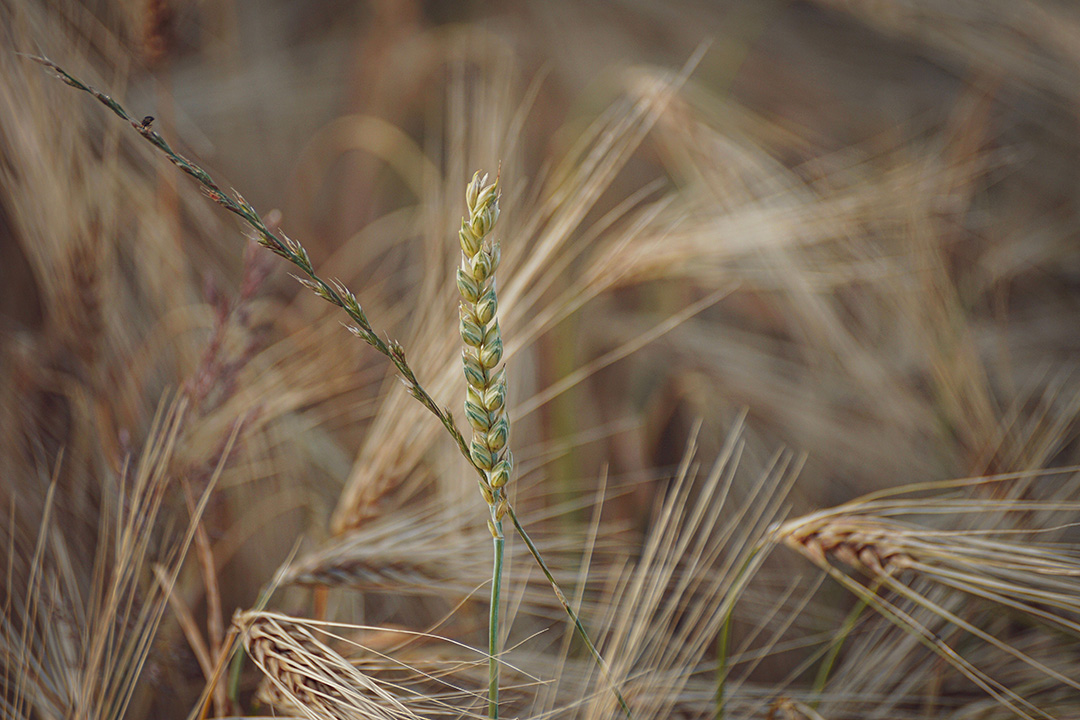
For Montana farmers, a growing season comes with plenty of variables. Weather can change quickly, markets can shift, and even a strong start to the season does not guarantee the harvest will go according to plan.
That is where crop insurance can become an important part of a farm’s overall risk management plan.
Whether you are raising wheat, barley, hay, pulses, or another crop, understanding how crop insurance works before the season gets underway can help you make informed decisions about how to manage the risks your operation faces.
Why Crop Insurance Matters on a Montana Farm
Farming is never completely predictable. Drought, excessive moisture, hail, frost, and other weather-related events can affect crop production and create financial challenges for a farm operation.
Crop insurance is designed to help producers manage certain covered risks and reduce the financial impact when an insured loss occurs. The type of coverage, eligibility requirements, deadlines, and available options can vary depending on the crop, location, and policy.
That is why having the conversation early matters.
4 Things to Consider When Reviewing Crop Insurance
| Consideration | Why It Matters |
| Your Crops | Different crops can have different insurance programs, requirements, and coverage options. |
| Your Location | Montana’s growing conditions vary across the state, so your location can affect available programs and provisions. |
| Weather Risks | Drought, hail, frost, and excessive moisture can create different challenges throughout the growing season. |
| Important Deadlines | Crop insurance programs have specific deadlines for applications, changes, and reporting. Waiting too long can limit your options. |
Crop Insurance Is About More Than One Bad Harvest
It can be easy to think about crop insurance only after something goes wrong. But by then, it may be too late to make changes to your coverage.
A better approach is to review your options before the growing season and understand what your policy does—and does not—cover.
For Montana producers, that conversation can include looking at the crops you are planting, your operation’s specific risks, available coverage options, policy requirements, and the timing of important decisions.
Your Farm Is Unique. Your Coverage Should Be Reviewed That Way.
No two farming operations are exactly alike. A dryland wheat operation in one part of Montana may face different risks than a farm producing multiple crops in another part of the state.
Working with a local insurance agency gives you an opportunity to discuss your operation and ask questions about the crop insurance options available for your situation.
At Northern Plains Insurance Agency, we understand that Montana agriculture comes with its own set of challenges. We are here to help you understand your insurance options and make informed decisions for your farm.
Start the Conversation Before Planting Season
The growing season moves quickly. Taking time to review your crop insurance options early can help you understand your policy, deadlines, and available choices before you need them.
If you have questions about crop insurance for your Montana farm, reach out to Northern Plains Insurance Agency to discuss your operation and coverage options.